
RFK Jr. Overhauls USPSTF Leadership: 5 Things to Know
HHS Secretary Robert F. Kennedy Jr. named eight new members to the U.S. Preventive Services Task Force this week, completing the 16-seat panel amid ongoing tension over its leadership.
HHS Secretary Robert F. Kennedy Jr. named eight new members to the U.S. Preventive Services Task Force this week, completing the 16-seat panel amid ongoing tension over its leadership.

HHS awarded $77 million in SAMHSA grants for substance use prevention and treatment, mental health, suicide prevention and crisis services.


Healthcare payments are no longer about transactions. It’s about controlling the revenue cycle. And increasingly, that control is not sitting with ISOs.

A bipartisan group of six senators introduced a bill to reform the 340B drug program, locking in hospitals' use of contract pharmacies and adding new transparency and compliance rules. The legislation would also kill HHS' contested rebate pilot within a year and replace it with a national data clearinghouse to catch duplicate discounts.

Healthcare affordability czar Casey Mulligan laid out the economic philosophy guiding the Trump administration's approach to healthcare costs during a recent conference address. He argued that provider taxes and state-directed payments inflate healthcare spending far beyond Medicaid and ultimately raise costs for employers and taxpayers.

Replacing a paper clipboard with a QR code on your phone doesn’t kill the clipboard; it’s just a better clipboard. Why? The burden is still on the patient. It's the digital version of carrying a manila folder of records across town. This is a half-measure. It's not true interoperability.
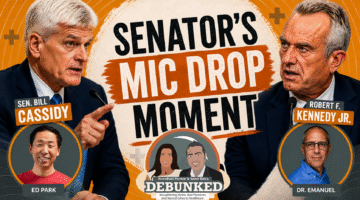
Improving healthcare was a central theme of the latest episode of the Debunked Podcast. The discussion offered perspectives from Louisiana Republican Senator Bill Cassidy, HHS Secretary Robert Kennedy Jr., Devoted Health CEO Ed Park, and Dr. Ezekiel Emanuel, an oncologist and professor with University of Pennsylvania, and Debunked co-hosts Arundhati Parmar and Samir Batra.


What if health plans could identify member decline before an avoidable hospitalization occurs? Real-time clinical visibility into long-stay SNF members uncovers risk earlier and drives better outcomes.

A group of 131 hospitals has sued HHS over a CMS policy they say improperly reduces Medicare disproportionate share hospital (DSH) payments. The lawsuit is the latest in a decade-long legal battle over how the agency counts patient days and calculates payments for safety net hospitals.

This week, Congress reached a bipartisan healthcare deal as part of a larger $1.2 trillion spending bill, combining funding increases, policy reforms and program extensions. The proposal maintains key programs like CMS coverage for telehealth and hospital-at-home care, but stops short of renewing enhanced ACA premium tax credits.

The DEA extended telemedicine prescribing flexibilities for controlled substances through the end of 2026, drawing praise from telehealth advocates who are urging a permanent solution.

HHS proposed changes that would roll back many Biden-era policies, eliminate most health tech certification criteria,and scrap planned transparency requirements for healthcare AI tools. The agency argues the move will reduce regulatory burden and save developers time and money.


In an interview, Kyan Health Co-Founder and Chief Commercial Officer Konstantin Struck discussed how Kyan gives mid-market and enterprise employers access to premium workforce mental healthcare, at a price point that is affordable.
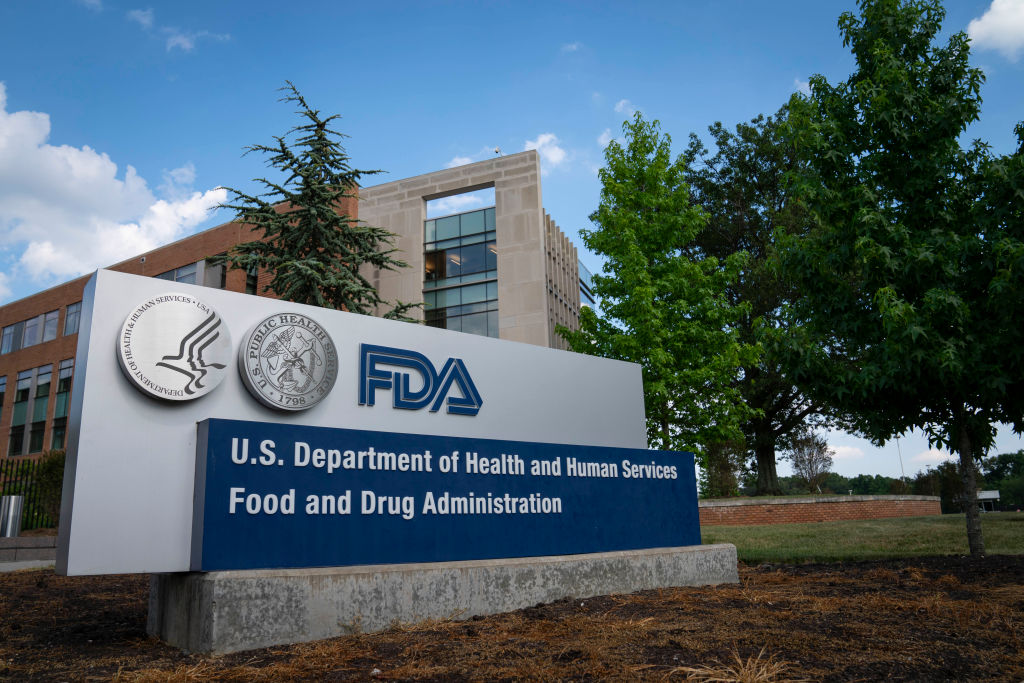
The FDA will remove black box warnings on hormone replacement therapies after evidence showed the risks were overstated.

How many companies will be left standing once consolidation hits the AI in healthcare sector? Which pharma companies are working with the Trump administration to lower costs?

The latest episode of the Debunked podcast explores an ongoing debate questioning the role of payers in healthcare transactions. It also highlights turmoil at the CDC.
The Trump administration's Make America Healthy Again nutrition policies and Medicare Advantage plan ethics were prominent themes on the latest episode of the Debunked Podcast with MedCity News Editor-in-Chief Arundhati Parmar and guest co-host Paul Markovich, CEO of Blue Shield of California parent company Ascendiun.
Health and Human Services Secretary Robert F. Kennedy Jr. is cancelling 22 mRNA vaccine contracts funded by BARDA. Without evidence, Kennedy claimed these vaccines fail to protect effectively against upper respiratory tract infections.